
studies & articles
The Blog
One of the many pleasures of being a professor was feeling the need to stay on top of the research in psychology. When I first learned about the half-life of knowledge, the literature typically said it was 3-5 years in technical fields. As a retired professor, I am still a member of the American Psychological Association and subscribe to a service that delivers abstracts and open-source articles from a large number of journals. As an alumna of Harvard, I also get information from them and I have the time to peruse multiple sources. This is a pleasure most professionals don’t have, especially if they value
work-life balance.
I still love research and, when I was asked to write the blog, I enthusiastically agreed. I try to select articles based on their relevance to practitioners, but also to capture both emerging themes and important corrections. I am hopeful that, moving forward, we will have ways to enable readers to easily engage in conversations with me and each other.
-Dr. Karen Nelson

Studies of moral injury
I was unfamiliar with the term ‘moral injury’ and found two interesting studies that help explain it. First, Hall & Neighbors (2024) published “Positive Associations Between Potentially Morally Injurious Experiences and Alcohol Outcomes in College Students: Results from a dominance analysis” in Psychological Trauma: Theory, Research, Practice, and Policy. Here are the abstract and impact statements:
A novel framework for understanding college students’ alcohol use is moral injury—psychological distress that stems from events that violate moral beliefs.

Racial disparities in health literacy and numeracy
Today, I am looking at a study of health literacy – which refers to capacities for understanding, evaluating, using, and engaging with written text to participate in the society, to achieve one’s goals and to develop one’s knowledge and potential. Health numeracy is the ability to access, use, interpret, and communicate mathematical information and ideas, to engage in and manage mathematical demands of a range of situations in adult life. Stocks, et al. (2024) published “Racial Disparities in Health Literacy and Numeracy: The role of sociodemographic and psychological risk factors” in Professional Psychology: Research and Practice. Here are the edited abstract and impact statements:
As a practicing professional psychologist, you may have encountered the pressing need to understand and address racial disparities in health literacy and numeracy within your everyday clinical practice.

Three studies of motivation
Today, we examine three recent studies of motivation. First, Hubley, Edwards, Miele & Scholer (2023) published “Metamotivational Beliefs about Intrinsic and Extrinsic Motivation” in Journal of Personality and Social Psychology. Here’s the edited abstract:
Although intrinsic motivation is often viewed as preferable to more extrinsic forms of motivation, there is evidence that the adaptiveness of these motivational states depends on the nature of the task being completed (e.g., Cerasoli et al., 2014). Specifically, research suggests task-motivation fit such that intrinsic motivation tends to benefit performance on open-ended tasks (tasks that involve qualitative performance assessment; e.g., creative writing) and extrinsic motivation benefits performance on closed-ended tasks (tasks that involve quantitative performance assessment; e.g., multiple choice).
Effects of negative emotionality
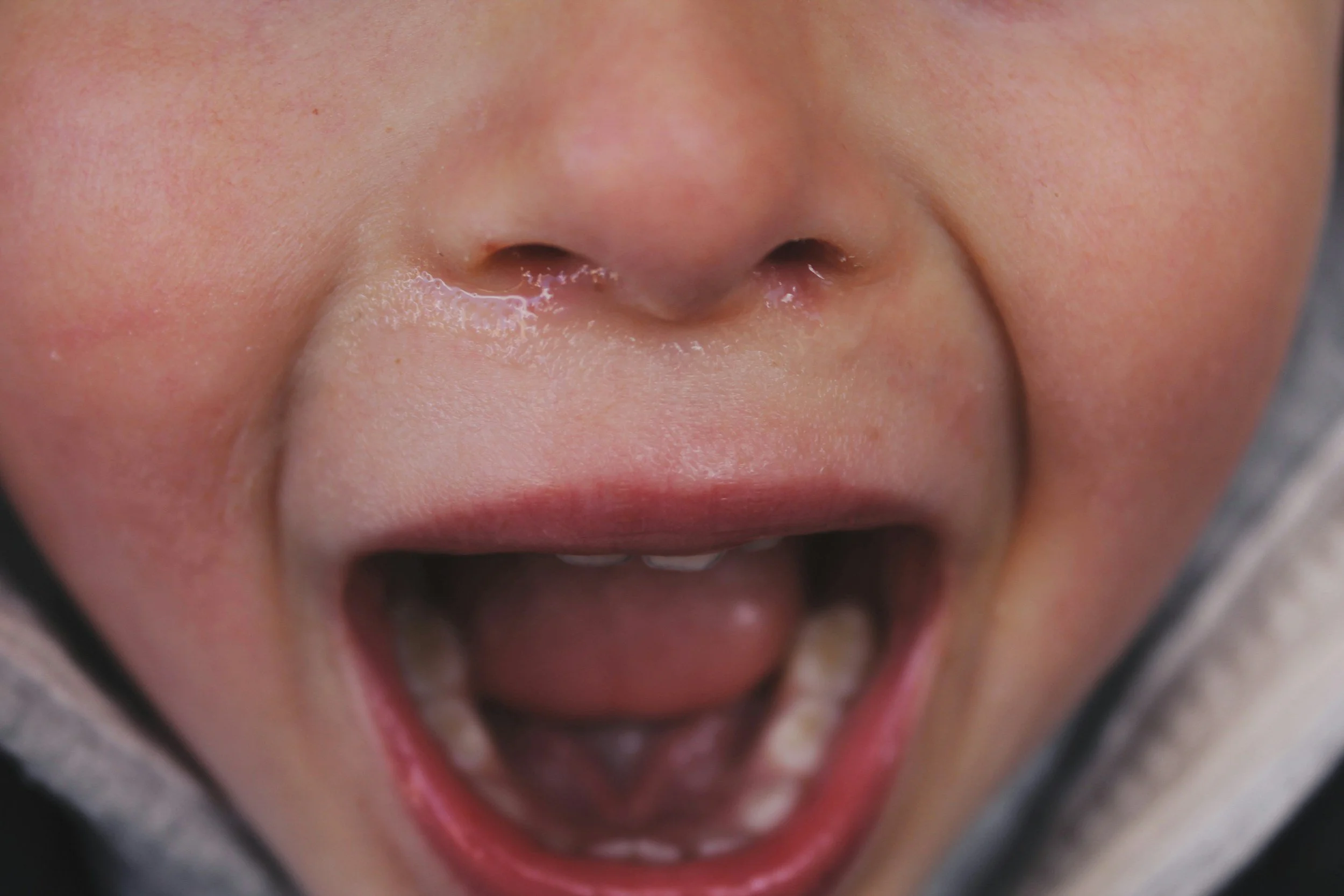
Today I look at two studies that deal with interactions between child negative emotionality and parenting behavior. First, Rousseau & Frenkel (2023) published “The Importance of Differentiating between Cold and Hot Response Inhibition in the Parenting Context, When Examining Associations with Harsh Parenting” in Emotion. Here’s the edited abstract:
Harsh parenting (HP) entails physical and verbal expressions of anger and aggression toward children, usually observed as response to child negative emotionality.

Parents and nonbinary teens
Today, I look at parents and nonbinary teens, but in terms of assessment. First, Matsuno, Huynh & Abreu (2024) published “Development and Validation of the Trans- and Nonbinary-Affirming Parental Practices (TAPP) Measure” in Journal of Family Psychology. Here’s the edited abstract:
Parental support is instrumental in protecting the mental health of trans and nonbinary youth (TNB).

Parent-adolescent relationships
This is the first of two posts dealing with adolescence, here through three studies of parent-teen relationships. First, Bray, Gallegos, Cain & Zaring-Hinkle (2022) published “Parental monitoring, family conflict, and adolescent alcohol use: A longitudinal latent class analysis” in Journal of Family Psychology. Here’s the edited abstract:
This study examined relationships among parental monitoring, family conflict, and subgroups of adolescent alcohol use identified through longitudinal latent class analyses (LLCA).

Childhood sexual abuse and adult intimacy
It’s not at all surprising that victims of childhood sexual abuse have difficulty in adult romantic relationships. Lassri & Gewirtz-Meydan (2024) published “Breaking the Cycle: Mentalizing moderates and mediates the link between childhood sexual abuse and satisfaction with adult romantic relationships” in Psychological Trauma: Theory, Research, Practice, and Policy. Here are the edited abstract and impact statements:

Personality disorders as interpersonal disorders
I like theory but know that many practitioners have little time for it. Today, I work with a single article that got my attention. Wright, Ringwald, Hopwood & Pincus (2022) published “It’s Time to Replace the Personality Disorders with the Interpersonal Disorders” in American Psychologist. Here are the edited abstract and public significance statements:
Personality disorders (PDs) are among the most common and severe classes of psychopathology. From a clinical perspective, it is challenging to help individuals with personality disorders because treatment ruptures, discontinuation, reversals, and failures are relatively common. An additional clinical challenge is that the model used to diagnose personality disorders is demonstrably incorrect.

Diseases of Despair in Early Adulthood
Today, I use material from a single article on an important topic. Dupéré et al. (2024) published “Diseases of Despair in Early Adulthood: The complex role of social relationships” in Developmental Psychology. Here’s the highly edited article:
“Diseases of despair,” most prominently depressive and substance-related problems, diminish the prospects of many young adults, especially those with lower levels of education.

Gene–environment interactions
Here, we look at two studies relating to gene-environment interactions. First, Nikstat, Beam & Riemann (2023) published “Gene–Environment Interplay in Internalizing Problem Behavior” in Developmental Psychology. Here are the edited abstract and impact statements:
Behavior genetic methods are useful for examining mechanisms underlying the interaction between genetic and family environmental factors of internalizing problem behavior (INT).

PTSD and exposure therapy
Today, I present an article and two comments on it. All three speak to the efficacy of exposure therapy. Rubenstein, Duek, Doran & Harpaz-Rotem (2024) published “To Expose or Not to Expose: A comprehensive perspective on treatment for posttraumatic stress disorder” in American Psychologist. Here are the edited abstract and impact statements:
For over 30 years, exposure-based therapies have been considered to be the gold standard in treatment for posttraumatic stress disorder (PTSD), leading to widespread public investment in the dissemination of these therapies.

Emotional dysregulation is part of ADHD
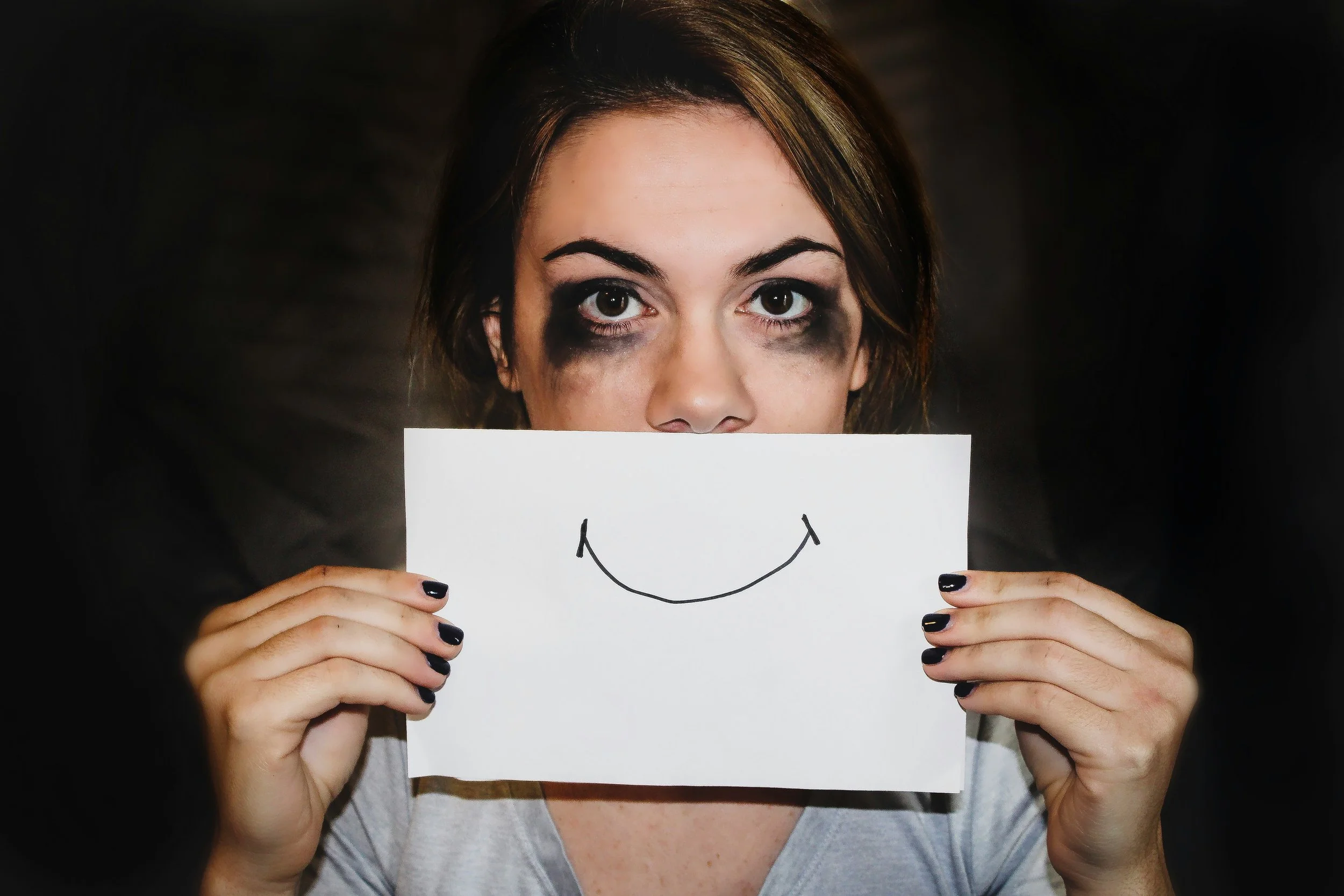
Today, I present a relatively long piece but one I think is important. Weir (2024) published “Emotional dysregulation is part of ADHD” in Monitor in Psychology. Here’s a highly edited excerpt from the article:
More and more teenagers and adults are turning to social media to share their experiences living with attention-deficit/hyperactivity disorder (ADHD). Amid that flurry of digital content, one regular theme is the idea that people with ADHD feel emotions more intensely than others. Those big feelings, it turns out, are not just a TikTok phenomenon.
Emotion processing and schizophrenia
Sometimes, I read research that seems contradictory. This may be one of those cases. Osborne et al. (2023) published “Clinical High Risk for Psychosis Syndrome is Associated with Reduced Neural Responding to Unpleasant Images” in Journal of Psychopathology and Clinical Science. Here are the edited abstract and impact statements:
Deficits in emotion processing are core features of psychotic disorders.

Nonsuicidal self injury
I’ve written before about NSSI as it relates to depression, PTSD, and dissociation. Today, I present two more studies. Hepp, Carpenter, Freeman, Vebares & Trull (2020) published “The Environmental, Interpersonal, and Affective Context of Nonsuicidal Self-Injury Urges in Daily Life” in Personality Disorders: Theory, Research, and Treatment. Here’s the edited abstract:
Urges for nonsuicidal self-injury (NSSI) are important precursors to NSSI acts and may serve as a point of intervention. A close understanding of the phenomenology of NSSI urges and the contexts in which they occur is therefore warranted.

Discomfort and cultural rupture
Today, I combine two articles that may be helpful in different ways, but I see a connection between them First, Murray & Koopmann-Holm (2024) published “Facing Discomfort: Avoided negative affect shapes the acknowledgment of systemic racism” in Emotion. Here’s the edited abstract:
Why can some Americans acknowledge the deeply rooted racism in the United States while others cannot? Past research suggests that the more people want to avoid feeling negative (“avoided negative affect; ANA”), the less likely they focus on and even perceive someone’s suffering.

Understanding rural social networks addressing ACEs
Today, I look at another study of ACEs (Adverse Childhood Experiences). Lawlor, Puma, Powers, Martinez, Varda & Leiferman (2024) published “Understanding Rural Social Networks Addressing Adverse Childhood Experiences: A case study of the San Luis Valley” in Families, Systems, & Health. Here are the edited abstract and impact statements:
The purpose of this study is to assess a cross-sector, interorganizational network addressing adverse childhood experiences (ACEs) in a rural Colorado community.

Crying in therapy
I like studies that ask an interesting question. In this case, the question involves the impacts of crying in therapy. Katz, Hilsenroth, Johnson, Budge & Owen (2024) published “’Window of Opportunity’: Clients’ experiences of crying in psychotherapy and their relationship with change, the alliance, and attachment” in Professional Psychology: Research and Practice. Here are the edited abstract and impact statements:
In psychotherapy, emotional tears occur frequently but have received limited attention. We set out to replicate and extend findings of previous studies conducted in Italy (Genova et al., 2021) and Israel (Katz et al., 2022) with U.S.
Perceived control in distressed older adults
Today, I address a single study. Murphy, Mackenzie, Dryden & Hamm (2024) published “Perceived Control Moderates the Internalized Stigma Model of Seeking Mental Health Services in Distressed Older Adults” in Journal of Counseling Psychology. Here are the edited abstract and impact statements:
Older adults are especially unlikely to seek mental health services, and internalized stigma is a key reason why. However, little research has investigated which older adults are particularly likely to have stigma influence help-seeking. To address this, we tested whether perceived control (PC) moderates an internalized stigma model in which public stigma is internalized as self-stigma, which negatively predicts help-seeking attitudes and help-seeking intentions.

Studies of suicide
Today, I present summaries of three studies related to suicide. First, Pollak, Cheek, Rudolph, Hastings, Nock, & Prinstein (2023) published “Social Problem-Solving and Suicidal Behavior in Adolescent Girls: A prospective examination of proximal and distal social stress-related risk factors” in Journal of Psychopathology and Clinical Science. Here are the edited abstract and impact statements:
Adverse social experiences are often linked to suicidal behavior in adolescence, perhaps particularly for girls. Social problem-solving abilities may indicate more or less adaptive responses to adverse social experiences that contribute to adolescent girls’ risk for suicidal behavior.

Studies of loneliness and social anxiety
I remember when Bowling Alone was a major book to read in 2000. This first study, completed almost a quarter century later, is a scary follow-up. Infurna, Dey, Gonzalez Avilés, Grimm, Lachman & Gerstorf (2024) published “Loneliness in Midlife: Historical increases and elevated levels in the United States compared with Europe” in American Psychologist. Here are the edited abstract and impact statements:
Loneliness is gaining attention globally as a public health issue because elevated loneliness increases one’s risk for depression, compromised immunity, chronic illness, and mortality.